

06-11-2026
Remote Sense: Compensating for Cable Voltage Drop
A supply regulates at its own terminals, not at your load. Remote sense closes that gap when the leads are long.…
Read more →

06-11-2026
EMC and the CISPR 32 / EN 55032 Marks
A supply that passes Class A can still fail your product. The difference between the two classes is where the equipment is allowed to live.…
Read more →
06-11-2026
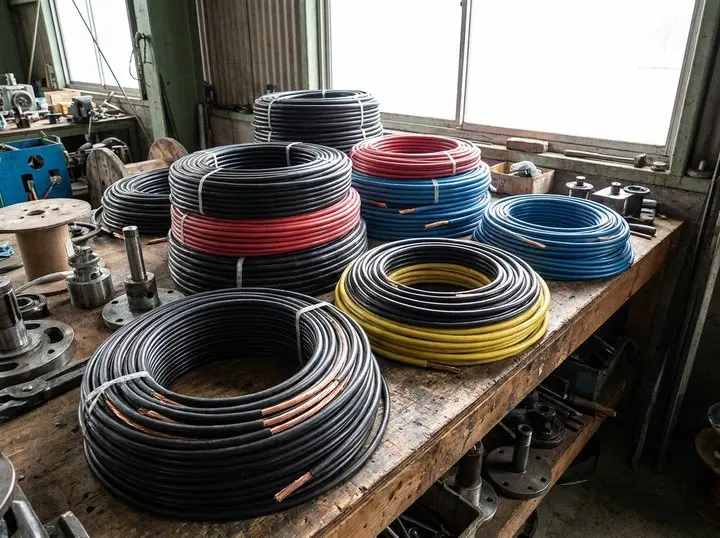
Sizing DC Cabling: Volt Drop, Bundling and Temperature
At low voltage the cable is part of your power supply. Sizing it for current alone is how a correctly specified 24 V system arrives at the load as 21 V.…
Read more →
03-11-2026
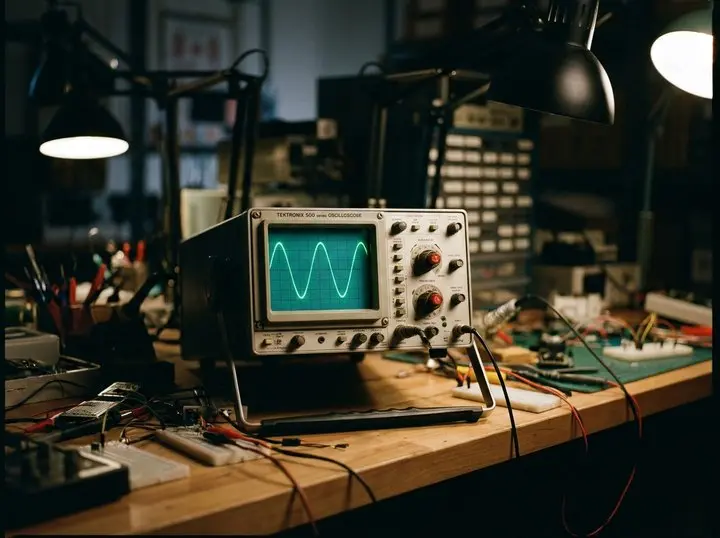
Starting Into a Capacitive Load Without Nuisance Tripping
The supply is rated well above your steady-state current, yet it will not start. Large downstream capacitance is one of the most common reasons.…
Read more →
03-11-2026
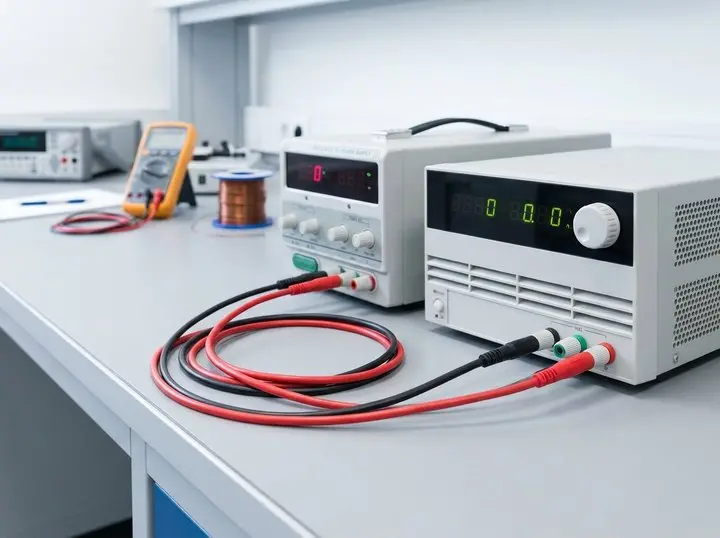
Minimum Load: Why Some Supplies Misbehave With Nothing Connected
A supply reading high, hunting or refusing to regulate on the bench is often working exactly as specified. It simply has nothing to push against.…
Read more →
30-10-2026
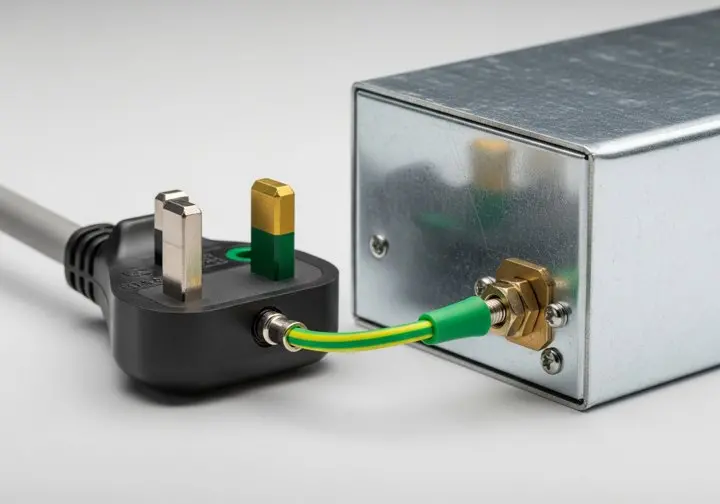
Earthing, Class I and Class II Explained
The earth pin, double insulation and why some power supplies need earthing while others do not. A quick guide to protection classes.…
Read more →