
Sizing DC Cabling: Volt Drop, Bundling and Temperature
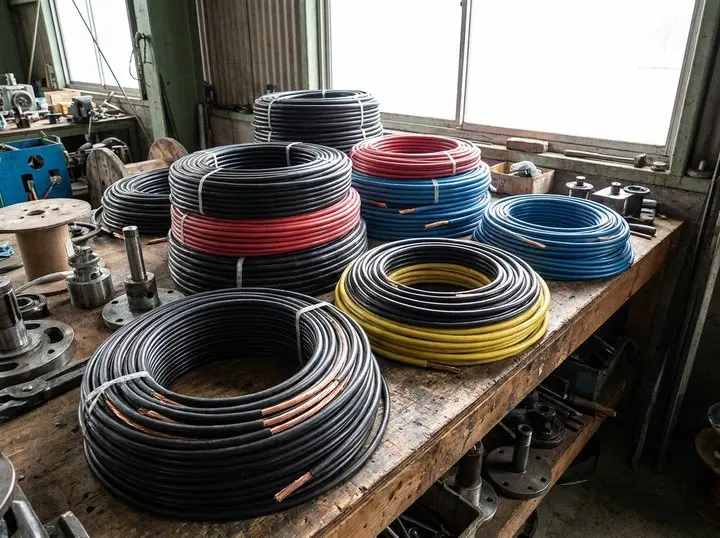
Cable is normally chosen so it does not overheat. On a low-voltage DC system that is rarely the binding constraint — voltage drop is, and it bites long before the cable gets warm.
Why low voltage is unforgiving
A drop of one volt is trivial on a 230 V circuit and is more than four per cent of a 24 V rail. Currents are also much higher for the same power. The drop depends on the resistance of the conductor, the current, and the length of the run — and remember to count both conductors, out and back, which catches people out regularly.
The factors that get missed
- Bundling. Cables grouped in a trunk or conduit cannot shed heat as freely, so their current rating is reduced. Several fully loaded cables in one bundle is a common overheating case.
- Ambient temperature. Ratings assume an ambient. Inside a warm cabinet or against a hot surface, derate.
- Connections, not just cable. Terminals, connectors and crimps all add resistance, and a poor crimp is a heat source that worsens over time.
- Inrush and peaks. Size the drop for the worst case the load actually draws, not its average.
Fixing an excessive drop
Increase conductor size, shorten the run, or move the conversion closer to the load and distribute at a higher voltage. Where the supply provides remote sense, use it — it compensates for drop in the leads, though it does not reduce the loss or the heat in the cable.