
Orientation, Spacing and Airflow: Mounting for Thermal Life
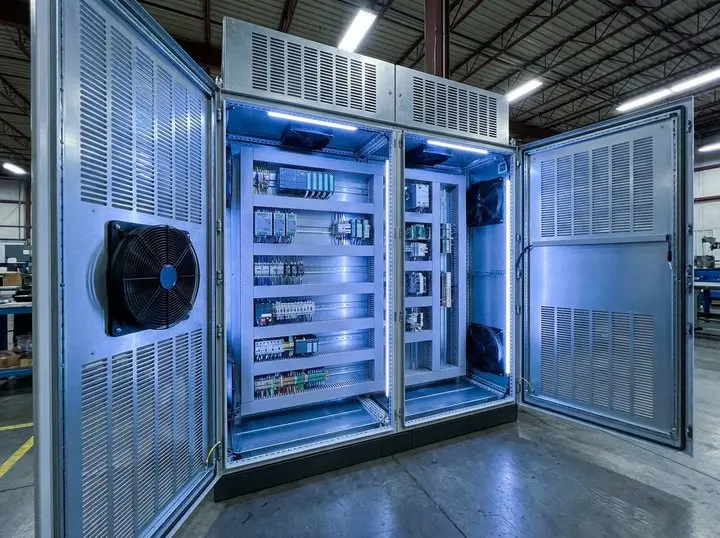
Thermal specifications are measured in defined conditions: a stated orientation, a stated clearance, and free air at a stated temperature. Installations rarely reproduce that, and the gap between the two is where premature failures come from.
Orientation is part of the specification
Convection-cooled supplies rely on air rising through them, so they are normally characterised in one preferred orientation. Mount the same unit on its back or side and the internal path is disrupted. Many datasheets state a derating for other positions — if yours does, that figure is not optional. The hottest components are frequently at one end, so orientation changes which parts sit in the rising warm air.
Clearance and neighbours
- Respect the stated clearances above, below and to the sides. They exist so intake air is drawn from the room, not from the exhaust of the unit below.
- Do not stack heat sources vertically without spacing. Each one preheats the next, and the top of the column can run far above cabinet ambient.
- Ambient means local ambient. The temperature inside a sealed cabinet in a warm plant room may be well above the room reading — and that internal figure is what the derating curve is asking for.
Baseplate and chassis mounting
Conduction-cooled units are only rated if the mounting surface can actually take the heat away. Bolting one to thin sheet metal, or leaving paint or an air gap in the joint, removes the cooling path the rating assumed. Use the specified fixings and torque, and keep the interface clean and flat.
Unsure whether your enclosure has the headroom? Describe the installation and we will help you check the derating.